

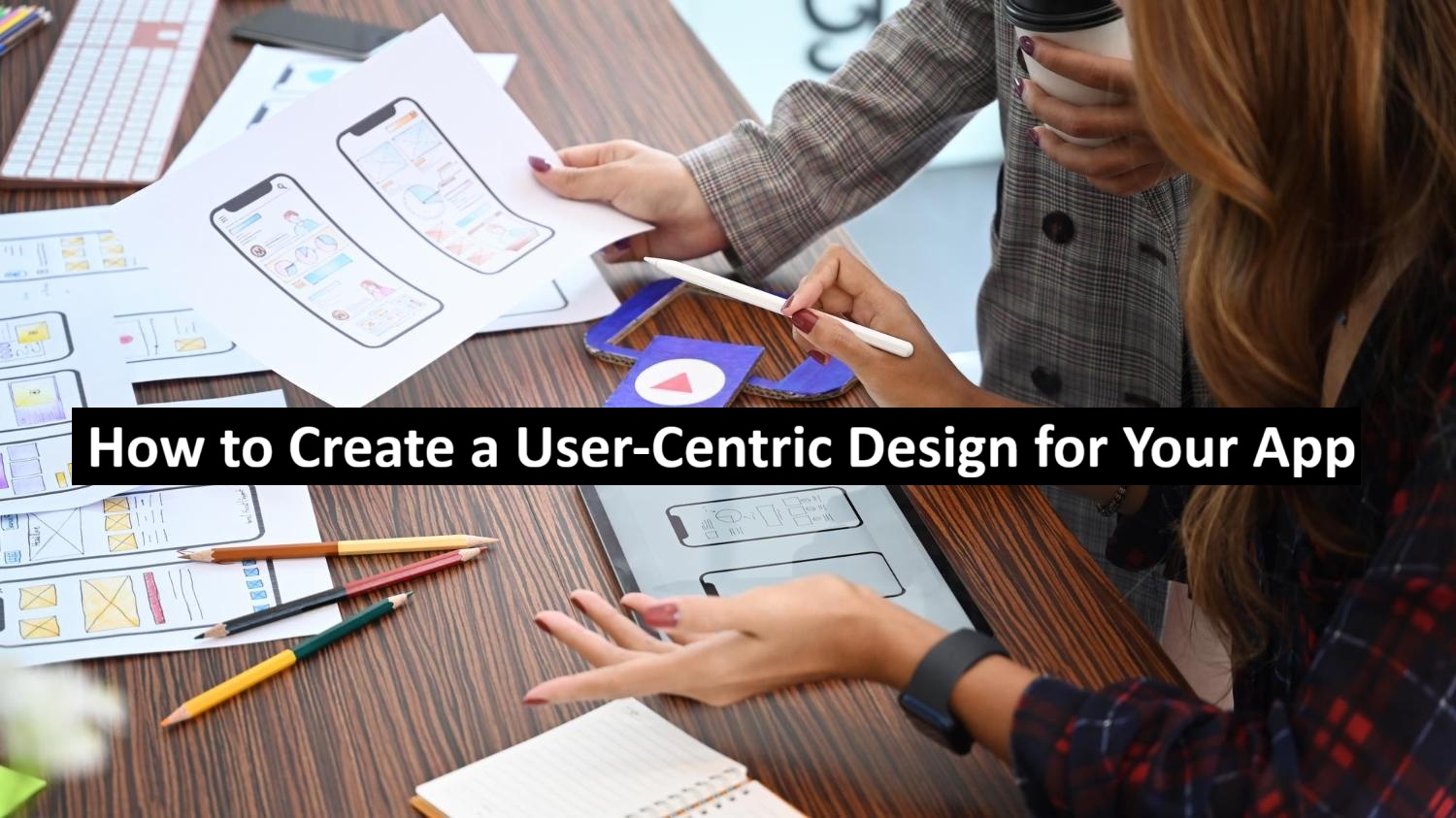
In a world where users have thousands of apps competing for their attention, design is no longer about aesthetics, it’s about experience. A well-designed app doesn’t just look beautiful; it understands the user’s needs, anticipates behavior, and makes every interaction feel intuitive and effortless.
Creating a user-centric design is at the heart of modern app development. Whether you’re building a productivity tool, an e-commerce platform, or a lifestyle app, understanding your users’ journey determines whether they stay engaged or uninstall your app after one use.
Let’s explore how to create a user-centric app design that combines usability, empathy, and performance ensuring your app truly connects with its audience.
Understanding User Needs
Creating a user-centric design starts with deeply understanding who your users are and what they truly need. This involves conducting thorough user research through surveys, interviews, and behavioral analytics. By developing detailed user personas and journey maps, designers can better empathize with users’ goals and frustrations. The focus should be on identifying pain points and uncovering how users currently solve their problems. Once these insights are clear, the design can align perfectly with their expectations, leading to a more intuitive and engaging experience.
Read: Choosing the Right Salesforce MSP in 2025: 5 Strategic Factors to Consider
Simplify the User Experience
A simple, intuitive user experience is at the heart of user-centric design. Every feature, button, and screen should serve a purpose that supports the user’s main goal. Cluttered interfaces confuse users and lead to drop-offs, while clear navigation paths and minimal design create trust and ease. Simplicity also means guiding users naturally toward actions whether it’s signing up, making a purchase, or completing a task without unnecessary steps or distractions. The ultimate goal is to make the user’s journey effortless and enjoyable.
Design for Emotional Connection
A user-centric app isn’t just functional, it creates an emotional bond with users. Emotional design focuses on how users feel while interacting with your product. Subtle animations, color psychology, tone of voice, and personalized touches can evoke positive emotions. When users feel understood and valued, they are more likely to return and recommend your app. Even micro-interactions like friendly notifications or celebratory visuals after completing an action can increase satisfaction and engagement significantly.
Prioritize Accessibility and Inclusivity
User-centric design must be accessible to everyone, regardless of ability. Accessibility ensures that people with visual, auditory, or motor impairments can use your app comfortably. This includes features like adjustable font sizes, high-contrast color schemes, voice navigation, and alternative text for images. Inclusive design also considers cultural diversity, language preferences, and age groups. When accessibility is prioritized, you open your app to a wider audience while showcasing your brand’s empathy and responsibility.
Test, Learn, and Iterate
No design is perfect from the start, and that’s why user testing is crucial. Prototypes and usability tests allow designers to observe how real users interact with the app. Feedback from these sessions reveals hidden usability issues, confusing navigation patterns, or unclear calls-to-action. The best products evolve through iteration making small but impactful adjustments after each round of testing. Continuous learning ensures your app remains relevant, functional, and aligned with changing user expectations.
Optimize for Performance and Responsiveness
Even the most visually appealing app will fail if it performs poorly. A user-centric design must be backed by seamless functionality. This means optimizing load times, compressing images, and minimizing resource-heavy animations. Performance optimization ensures smooth interactions and reduces frustration. Additionally, responsive design guarantees that your app looks and works perfectly across all devices phones, tablets, and desktops offering a consistent experience everywhere.
Build Trust with Transparency and Security
User trust is one of the strongest pillars of a user-centered design. Transparent data policies, secure login systems, and clear communication about permissions help users feel safe. With increasing privacy concerns, building trust through honest messaging and secure experiences is essential. Apps that clearly communicate how data is used and allow users control over their privacy earn long-term loyalty and credibility.
Keep Improving Post-Launch
The user-centric approach doesn’t end after launch; it continues through data monitoring and updates. Analyzing user behavior using analytics tools helps identify engagement drops, feature usage trends, and potential improvements. Regular updates based on user feedback show that you value your users’ voices and are committed to improving their experience. This ongoing optimization ensures your app stays relevant and ahead of competitors in an ever-evolving market.
Partner with Experts for True User-Centric Design
Developing a user-centric design requires expertise, research, and a deep understanding of user psychology. Collaborating with an experienced mobile app development company can help you bring this vision to life. Professional teams combine design thinking, usability testing, and development best practices to ensure your app delivers exceptional experiences. Whether you’re building from scratch or redesigning an existing product, partnering with the right experts ensures your app stands out for both functionality and user satisfaction.
Conclusion
A user-centric design is not a one-time achievement, it’s a continuous commitment to understanding and improving your users’ experience.
By focusing on empathy, simplicity, and feedback-driven iteration, you can create an app that doesn’t just work, it delights, engages, and retains users over time.
At the end of the day, every successful app shares one thing in common: it’s designed for the user, not the developer.If you’re planning to design or redesign your mobile application with a focus on usability and performance, partnering with a professional mobile app development company can make all the difference. They bring the expertise, design thinking, and technical execution needed to craft experiences that users love and businesses grow from.